

ADHD - Foods to Avoid
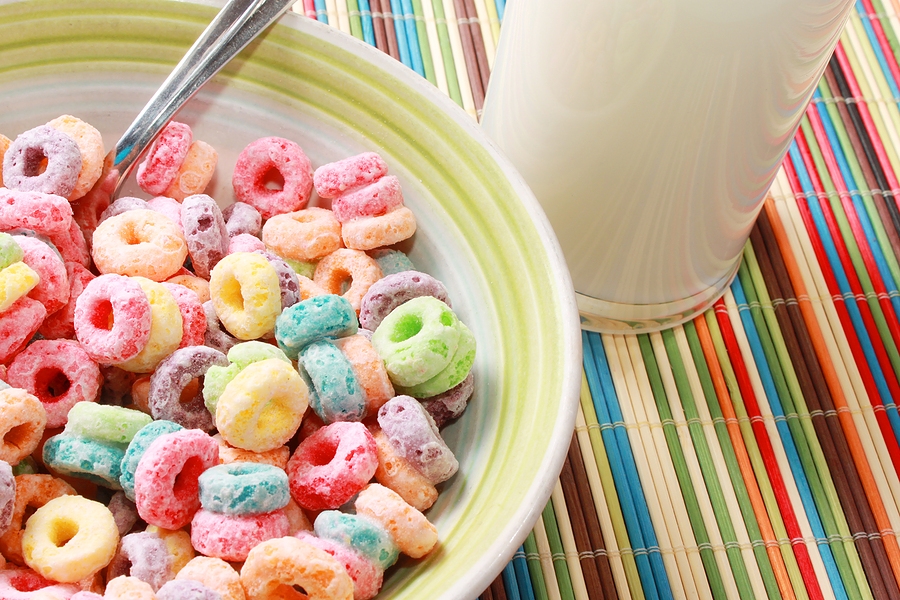
When a child has ADHD, foods to avoid needs to be a subject high on a parents radar. In seeking to determine the foods that cause the most problems it is important that parents should evaluate their child on an individual basis. This is because each individual child may respond differently to different food. Still, there are general groups of foods that can be marked as "problem foods" and may need to be removed from the child's diet.
Dairy and Gluten
Foods that include dairy products such as milk, cheese and gluten have been shown to exacerbate symptoms of ADHD. Researchers have developed several theories as to why this occurs.
One such theory emphasizes that the compounds found in these products may act as opiate peptides for the brain, particularly for those that cannot break these materials down. Parents may notice that their children have dark circles under their eyes, a frequent indicator of dairy and gluten allergies.
Simple Carbohydrates
Other foods to avoid include those which contain simple carbohydrates, or sugar. There may be several underlying causes of why foods with this sugar are bad foods. Consumption of sugar causes a zinc deficiency because sugar will bind to zinc.
Certain fungi associated with sugar, such as Candida albicans, can prevent absorption of nutritious foods. Also, sugar is connected to a lower production of neurotransmitters, dopamine, serotonin, and norepinephrine; essential substances needed for proper brain activity.
Food Additives
Much research has linked consumption of food additives with an increase in ADHD symptoms, as previously described. Food additives such as food dye, preservatives and artificial sweeteners have been shown to create behavior problems in children with ADHD.
Although food additives may help enhance the flavor and look of certain foods, researchers suggest that these additives are known to act as ”excitotoxins” which excite brain cells so strongly, these cells will eventually die. Artificial ingredients like MSG and aspartame are other foods to avoid.
Doctor's Help and ADHD
Parents should first contact a doctor to discuss the proper diet for their child and obtain a list of foods that should be avoided. Doctors may have their child undergo some food allergy tests to verify if allergies do exist. Parents should request this even if doctors feel that this is unnecessary.
After the results of these tests, parents can then help devise a proper diet plan for their children which does not include foods that create problems for ADHD kids. When parents observe abnormal behavior in their kids after eating certain foods, these instances should also be reported to the child's doctor.
Parental Involvement is Essensial
Observing their child's response to their diet is a great first step for parents with ADHD children. After a trip to the doctor, a good way to begin assessing diet would be to start an elimination diet similar to the one in Pessler's study in 2011. Parents provide children with a restrictive diet free of any foods on the list of foods to avoid. After 2 weeks, parents can add foods back in one by one while observing potential changes in ADHD behavior.
Parents should check out current research or consult their children's allergist to ensure they have an extensive list of foods to avoid.
Many families have experienced positive results in reducing hyperactive behavior and improved concentration with the use of homeopathic and herbal ADHD formulas. focus formula is one product that has helped many children with their ADHD symptoms.
You may also be interested in this general discussion of how food affects ADHD behavior.